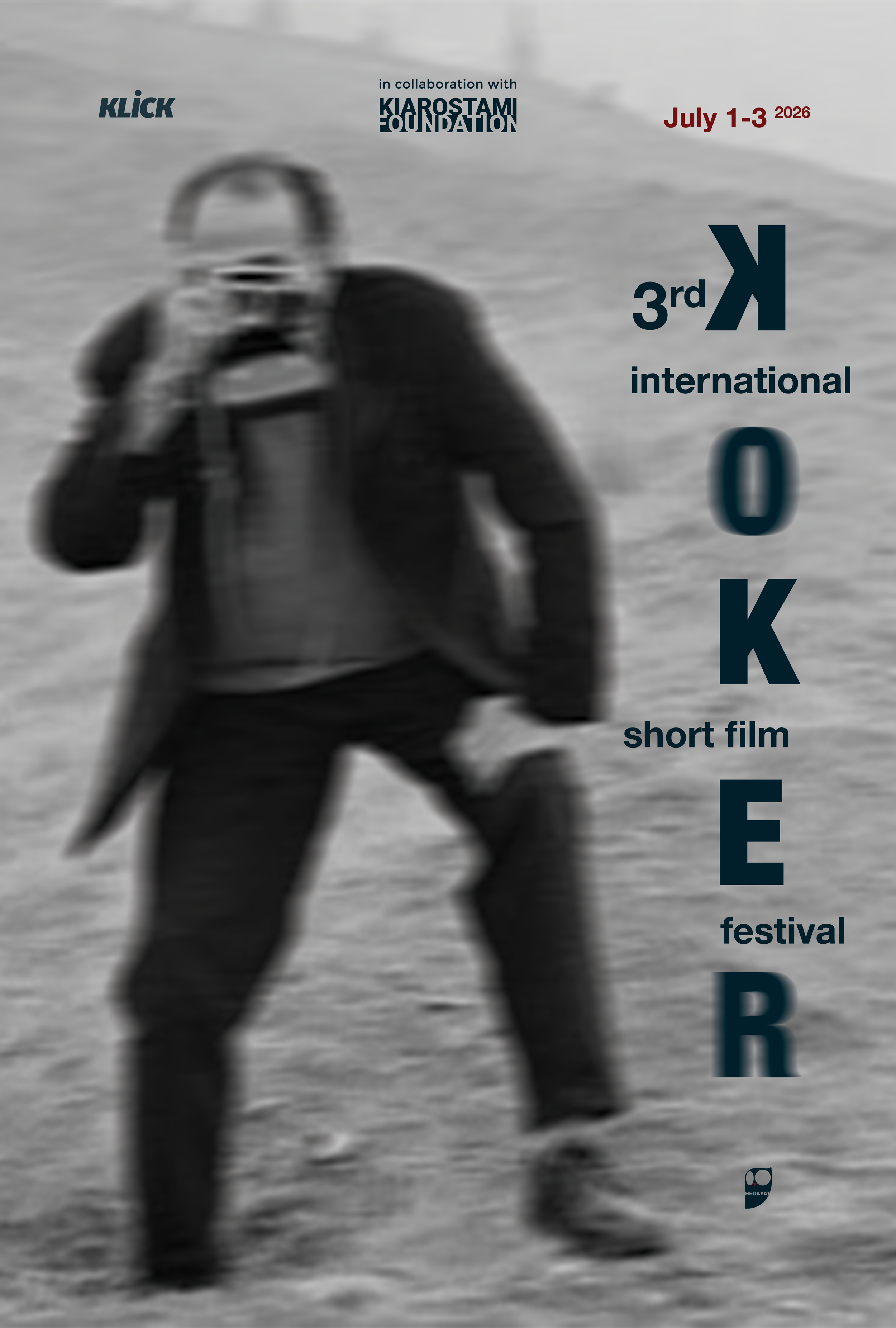
3rd Koker international short film festival
July 1-3 2026, Berlin
The Consolations of Cinema
Notes from the 3rd Koker International Short Film Festival – 2026
by Alireza Akbari
July 2026
I am sitting in the café at Click Kino, gazing out at the street as it slowly grows damp beneath a light drizzle. The sun-scorched asphalt of the street, having endured nearly two weeks of Berlin’s sweltering heat, finally seems to breathe again under the gentle rain and the cool breeze that has begun to pick up. The owner of the café walks over and asks, “what can I get you?”. Thinking I’ve arrived early for our meeting, I tell her that I’m waiting for my friends. She smiles and says they’ve already arrived and are in the cinema lobby. It dawns on me that she still remembers one screening that I held here last year and has mentally associated me with the Koker Film Festival team. I head toward the entrance and find Hamed Soleimanzadeh, the festival director, chatting with the cinema manager. We are there to discuss the arrangements for the film discussions and Q&A sessions, but as we talk, the festival quietly begins to materialize before our eyes. One by one, the film posters find their place on the walls. Photographs of Abbas Kiarostami are hung among them, and a larger portrait is placed on the table beneath the notice board. All that seems to be missing is a bowl of cherries to complete the feast. Watching the space transform piece by piece, it feels as though the festival has already begun, a full day before its official opening.
Over the past two years, the Koker International Short Film Festival carried the name of Abbas Kiarostami, but starting this year, it will bear the name Koker – the name of the village where Kiarostami’s well-known trilogy was shaped. This year, more than 400 films from around the world were submitted to the festival, and 21 films were selected to compete for the festival’s cherries from 1st–3rd July. Niki Karimi served as the president of the jury for the short film competition this year, while Fariba Vafi chaired the jury of the screenplay section. Now the cinema lobby has been prepared for the festival, which begins tomorrow. As we leave the cinema, the rain has grown heavier.
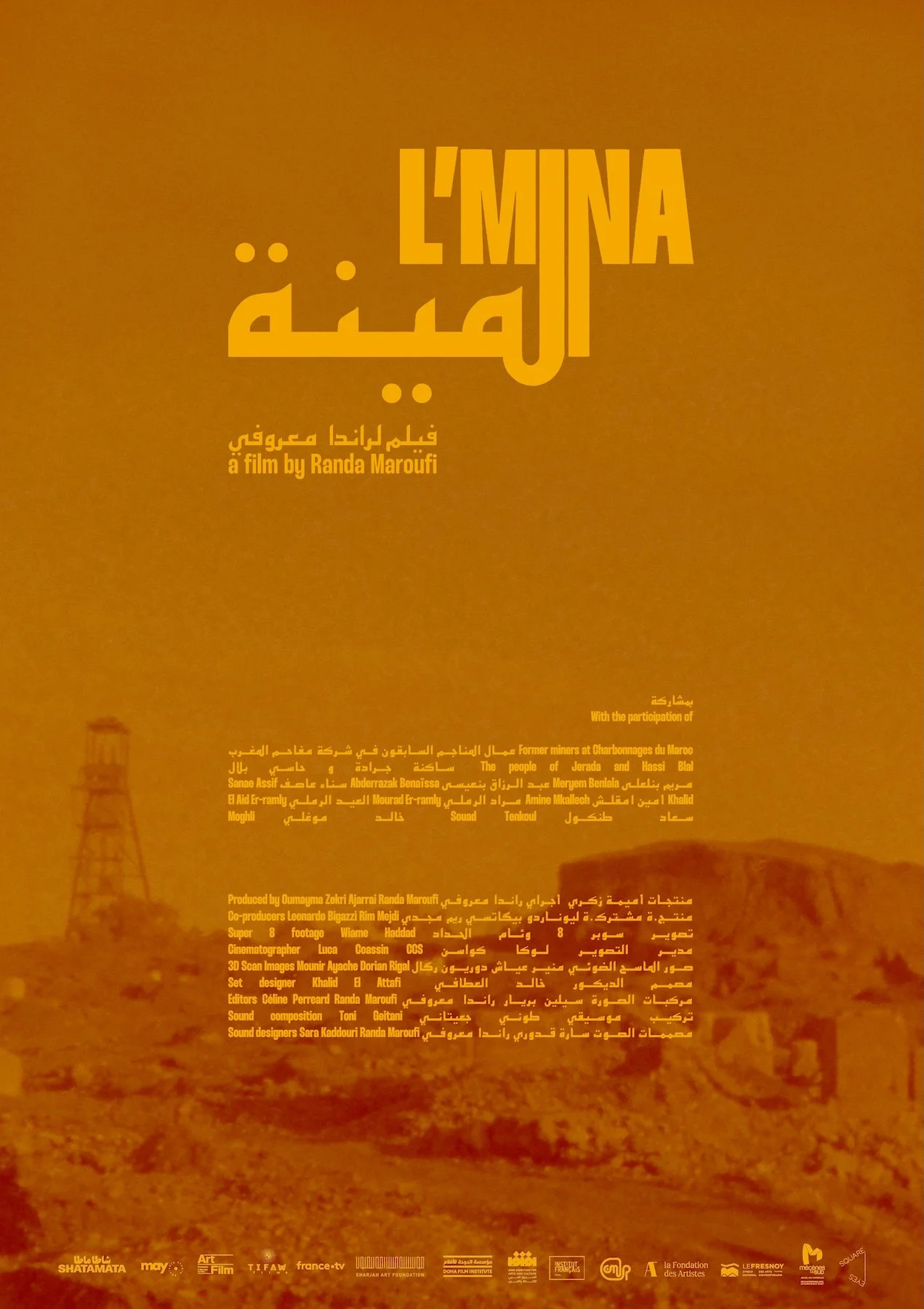
On the first day of the festival, when I arrive at the cinema, the sky is heavy with dark clouds. I know that when we step outside between the two screenings, the streets will be wet from the summer rain, and that is exactly what happens. But before the rain begins, we have already traveled through Randa Maroufi’s film L’mina, to a mining town in Morrocco. The film is a narrative suspended between reality and fiction and tells the story of the continuation of coal mining by local miners after the mine has been officially closed by the government. The coal mine is the only source of income for the inhabitants of the region. Through the reconstruction of this reality Randa Maroufi’s camera creates a mining Dogville in the heart of the Moroccan desert. The film unfolds through multiple narrators, most of whom are the former mine workers. The filmmaker first tells the history of the coal mine and the town built around it and then turns her attention to the everyday lives of the miners. The visual architecture of the movie is built upon a combination of vertical camera movements into and out of the mine shafts and horizontal movements across the ground among the workers. These vertical and horizontal lines appear like “lines of labor” that map out the world surrounding the workers, making any movement beyond these boundaries seem impossible. Trapped within these lines, the workers appear to be subjected to a condition of confinement and submission. Through these camera movements, each moment becomes a carefully composed tableau of suffering, hardship, and labor and labor and labor—unfolding before the viewer’s eyes in a transparent, wall less world, reminiscent of the transparent world of Dogville: A transparent world of suffering!
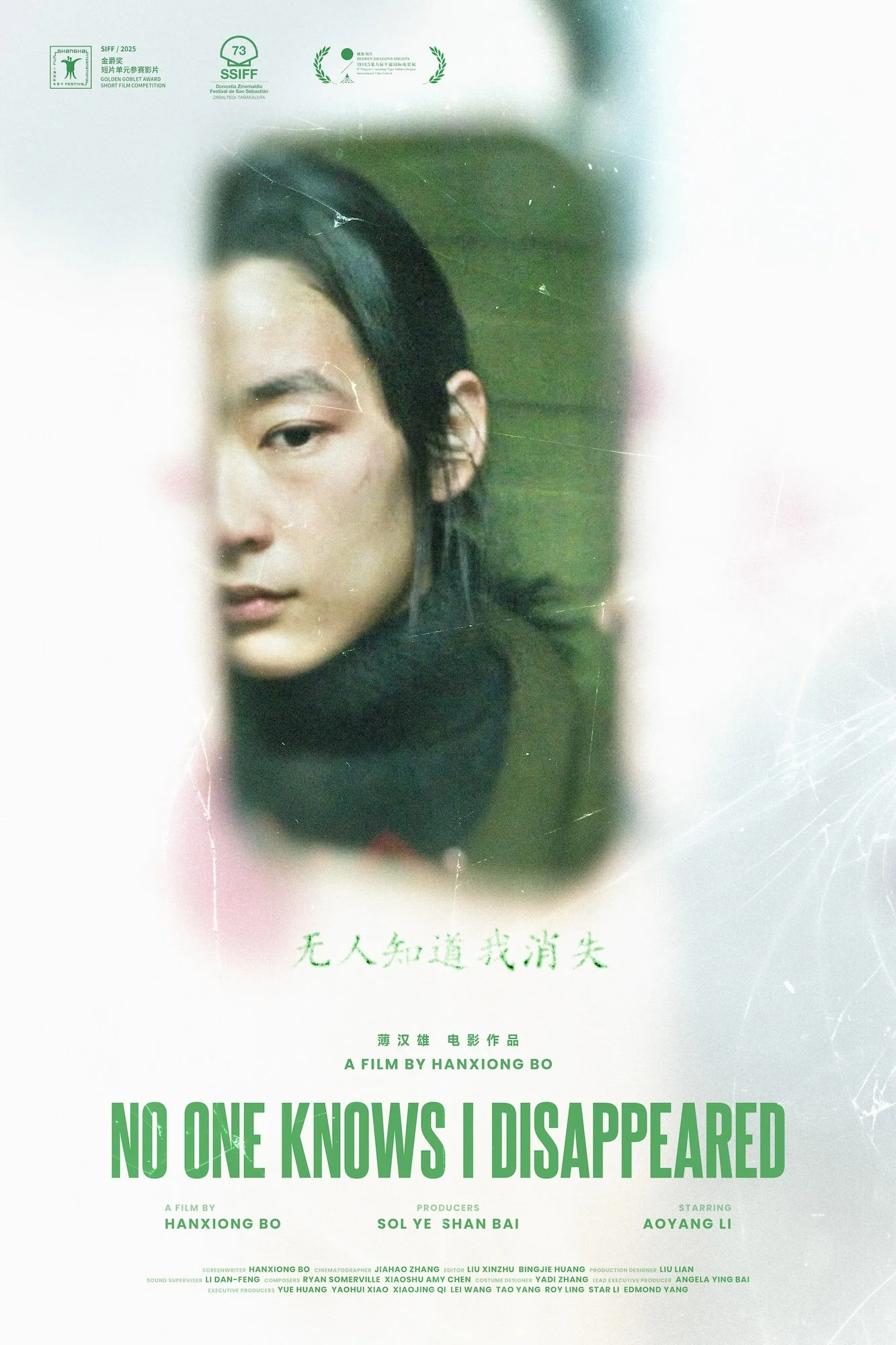
Another significant movie of the first day is, in a way, both similar to and different from L’mina in No One Knows I Disappeared, Hanxiong Bo, like Randa Maroufi, explores the suffering and social invisibility of the working class, but instead of approaching it through a broad collective perspective, he turns toward an individual and intimate one. In the opening scenes, we meet Lin (Yoko Lee), a domestic worker who faces various challenges while working in different people’s homes. The depth of Lin’s sorrow and loneliness is visible in her sad, expressionless eyes. She is so vulnerable and impoverished that if her daily work were to stop even for a single day, she could find herself without a roof over her head by nightfall. Yet, she refuses to compromise her own moral principles. When she senses that a male employer may have sexual expectations of her, she refuses to accept the job. Likewise, she bravely resists her husband’s threats and pressure to force her back home. In this minimal and restrained movie Hanxiong Bo constructs his character with the fewest possible dialogues and actions, guiding us into the cold and dark world of Lin’s life, where the only source of light is her determination to remain faithful to her personal values. The further Lin moves through this world, the more darkness and loneliness surround her. Yet only thing left for her is the ability to shape the world around her according to her own principles. This is what gives meaning to her existence, and if she were to lose this meaning, she’d lose everything. In this dark journey she ultimately becomes a source of hope for another life. Her final act of compassion does not seem like a sudden transformation, but the natural outcome of the moral strength and dignity she has preserved throughout her struggle.
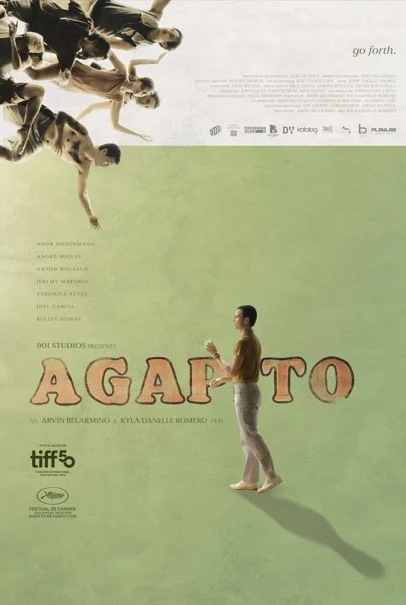
Unlike Hanxiong Bo, Arvin Blarmino, and Kayla Romero, the directors of Agapito adopt a more playful approach to portraying the struggles of the working class. In Agapito the workers of Bowling club called Duckpin are preparing for an unknown event by rehearsing a dance performance. The filmmakers create a Macondo-like atmosphere, infused with elements of magical realism. The movie reminds the viewer that the reality is not simply something that surrounds us; it is something we create! The workers of Duckpin seem to leave behind all the suffering and injustice imposed upon them in the dance floor, even transcending the limitations of their physical disabilities. This captivating and enchanting stage, created against the backdrop of the workers’ painful and laborious reality, becomes their desired and dreamlike world; a world transformed by the magic of dance into the very colors of their imagination, where they are free to paint it however they wish. Yet, through the thought-provoking ending they have crafted, the filmmakers remind the viewer that, despite all their acts of dreaming, the workers’ feet remain firmly on the ground; they have not surrendered themselves to mere wishful thinking.
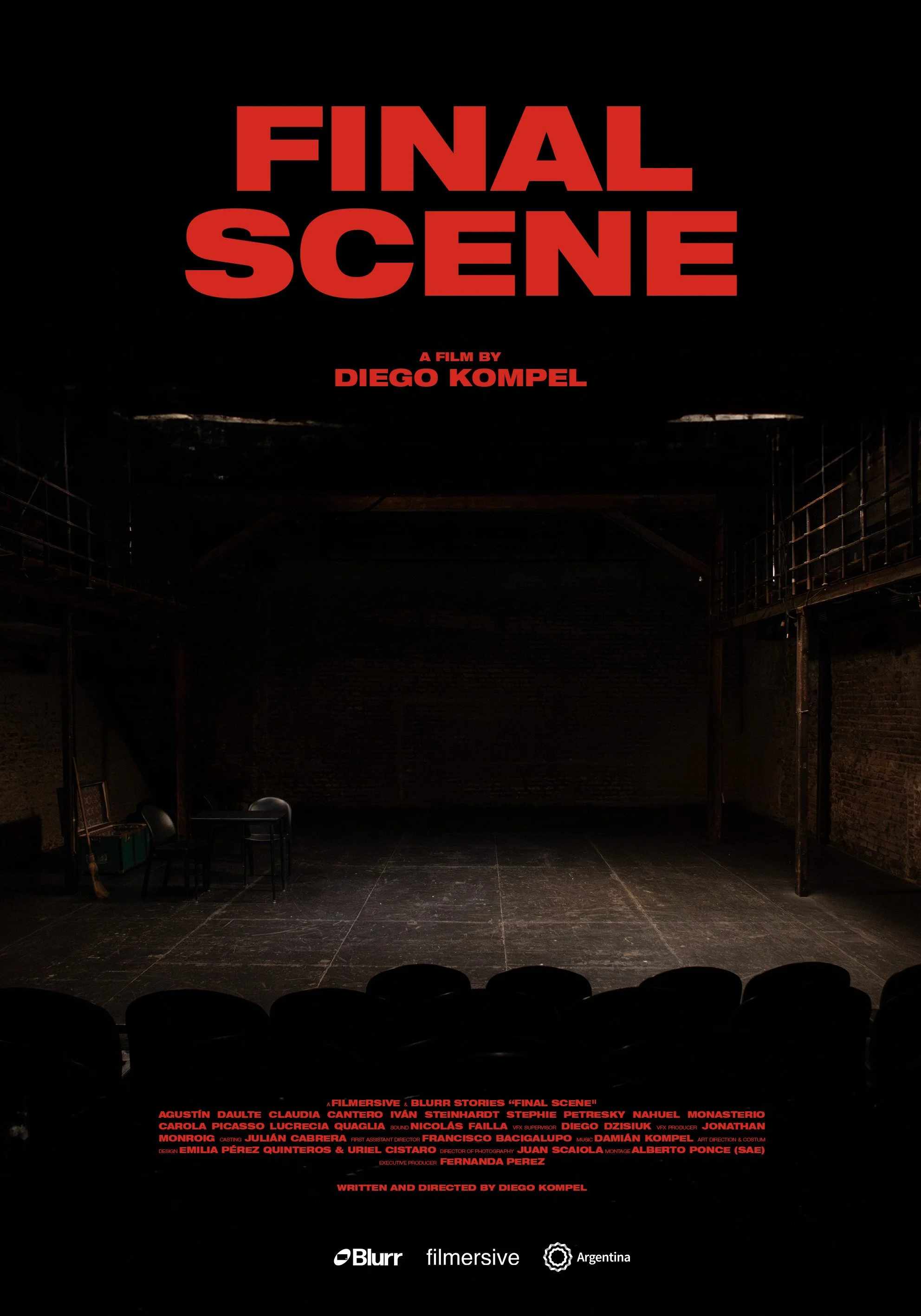
After watching a few movies with similar tone, Diego Kompel’s The Final Scene brough an entirely different mood to the screenings of the first day. The film tells the story of an amateur playwright’s obsessive desire to see his play performed on stage. Seba, along with five other students, attends his first day at a theater acting workshop, but from the very beginning he insists that, instead of following the regular course of the workshop, the group should focus on staging his play. Seba’s persistence and the acting teacher’s resistance eventually creates a crisis within the workshop. Picasso says, “Every act of creation is first of all an act of destruction”. In The Final Scene Kompel returns to this idea by exploring the kinds of destruction an artist may bring into their own life and the lives of those around them in the process of realizing and bringing their work to life. The movie also examines the unruly force of the artist’s desire to create and stage their work, and the dangerous consequences of attempting to restrain this wild impulse. The play Seba has written is itself a form of consolation for the disappointments that have marked his life; from unfulfilled love to the absence of maternal affection. Kompel reflects on the consolatory power of art. Perhaps this is why denying an artist the opportunity to bring their work on stage can have such devastating consequences: it is, in a sense, to deprive them from the very consolation their art provides.
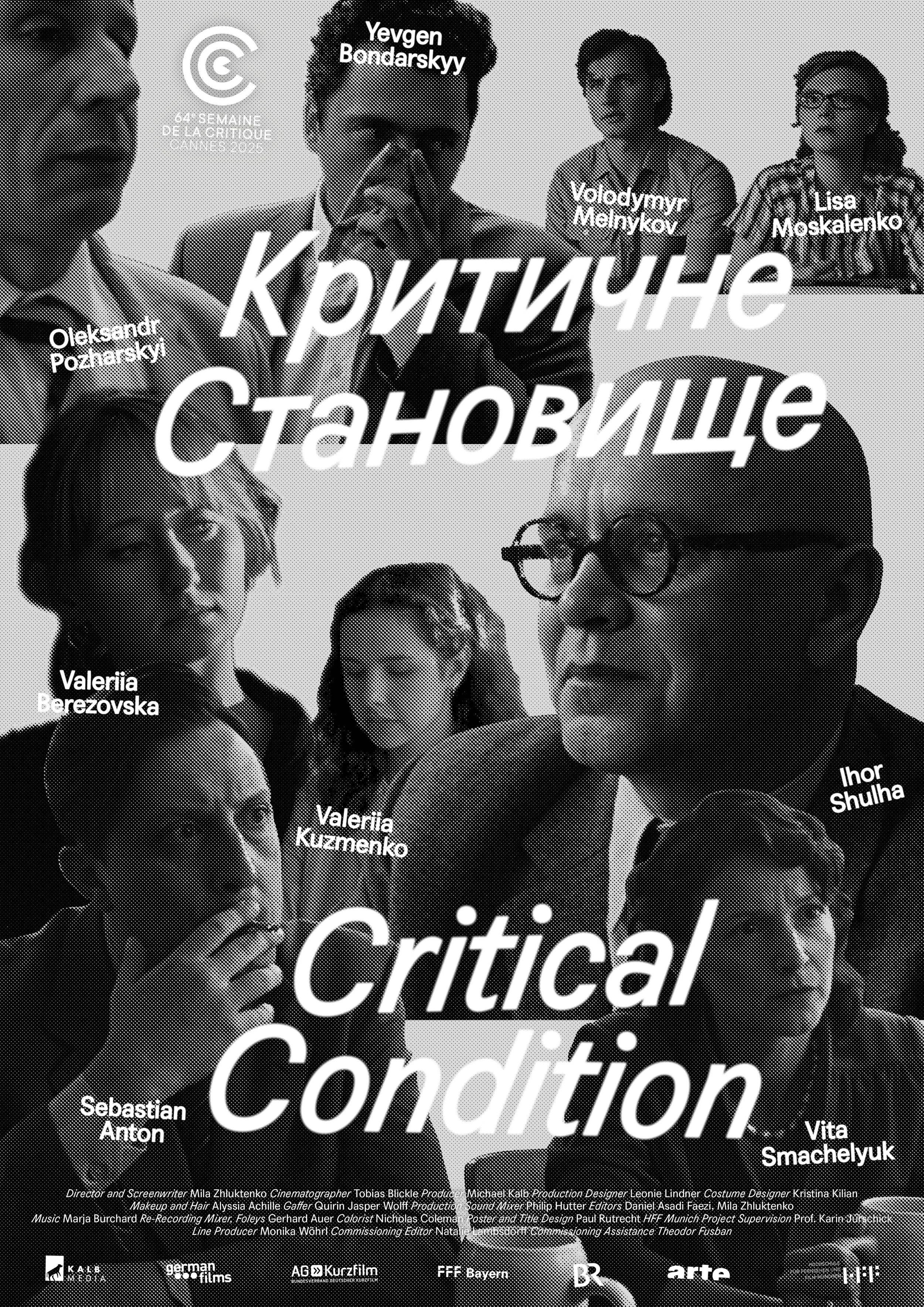
Critical Condition by Mila Zhlutenko was another movie that stood apart from the others screened on the first day of the festival, both in terms of its tone and subject matter. The film is inspired by the life Lev Rebet, a Ukrainian political activist and journalist who lived in exile the years following the Second World War in Munich. Rebet published an influential Ukrainian opposition weekly in Munich which advocated Ukraine’s dependence on the Soviet Union. Rebet was eventually assassinated in Munich in 1957 by KGB agents. The movie begins with a problem within the weekly magazine, as Lev realizes that the magazine no longer holds the same influence among the Ukrainian diaspora and needs to be updated somehow. But what does this process of “updating” mean for their political cause? Through this dilemma, the movie explores the identity crisis facing opposition groups operating in exile. This crisis places these groups before a profound and difficult choice: If they remain faithful to their ideals and ignore the winds of change, they risk losing their relevance and, eventually, the very meaning of their existence. Yet, if they submit to this so-called process of modernization, they may find themselves betraying the political principles that define them. In the second part of the movies, a temporal leap takes the camera to the present, where we find two young Ukrainian women a new generation of diaspora walking and chatting in a cemetery. They share the same concerns that shaped Lev Rebet’s generation. However, the two women believe that their fate will be different from that of the Ukrainian exiles of previous decades. Yet, the filmmaker, by choosing a cemetery as the setting for their conversation seems far less optimistic about their hopes.
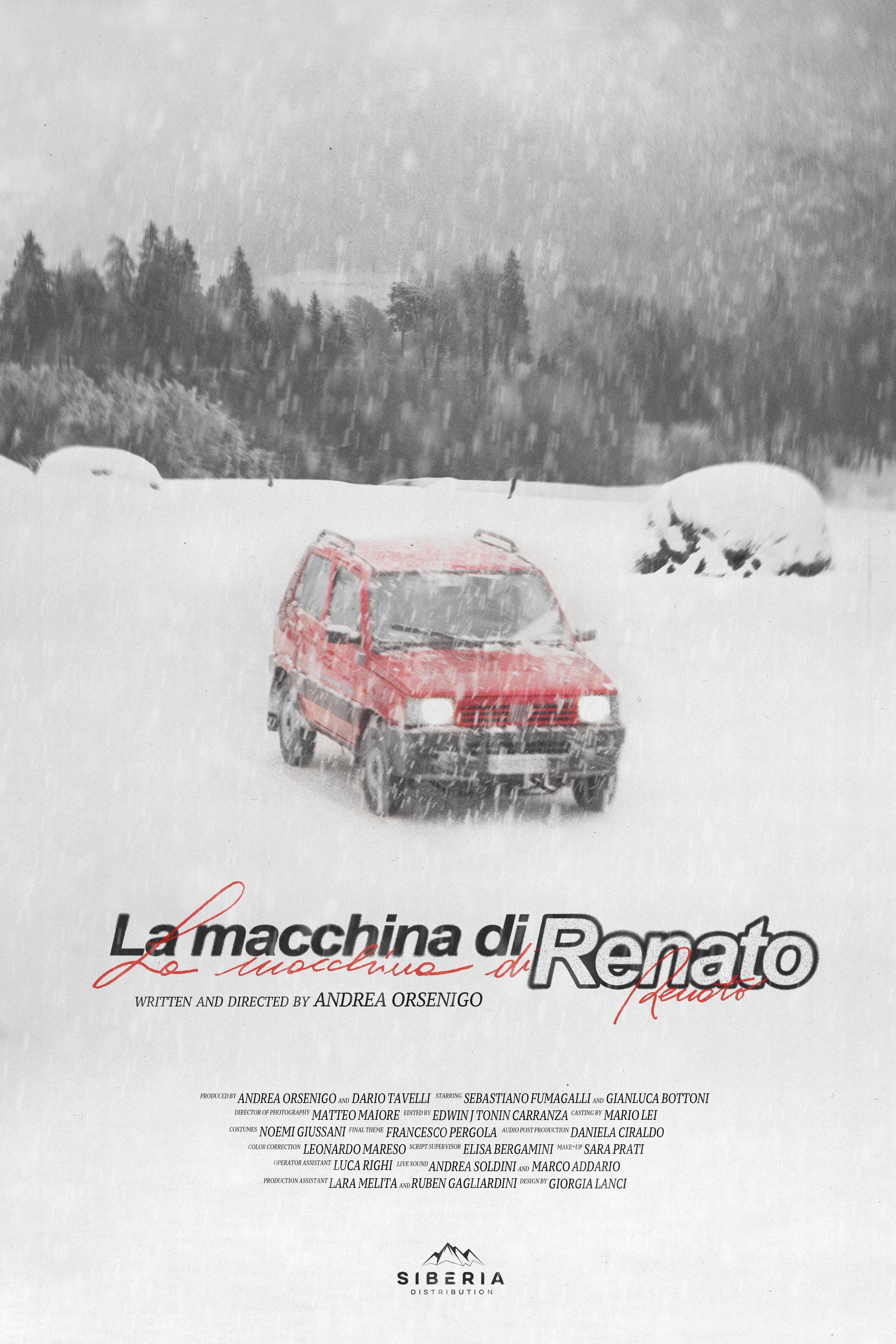
After watching several movies on the first day, most of which set in a single location or limited number of settings, Andrea Orsenigo’s Renato’s Car offered a completely different experience on the second day. As road movie the film follows Stefano and his father Renato on their journey to Switzerland. Stefano is taking his father there so that Renato can undergo euthanasia, and by this point everything seems decided – except for one thing: Renato’s car, a red Fiat Panda. The filmmaker uses humor to approach this painful subject, and the road movie format proves to be fitting for narrating the story of Stefano’s farewell to his father. The movie also explores the human attachment to objects and how things and our belongings find their way into our emotional lives, eventually becoming part of our fate.
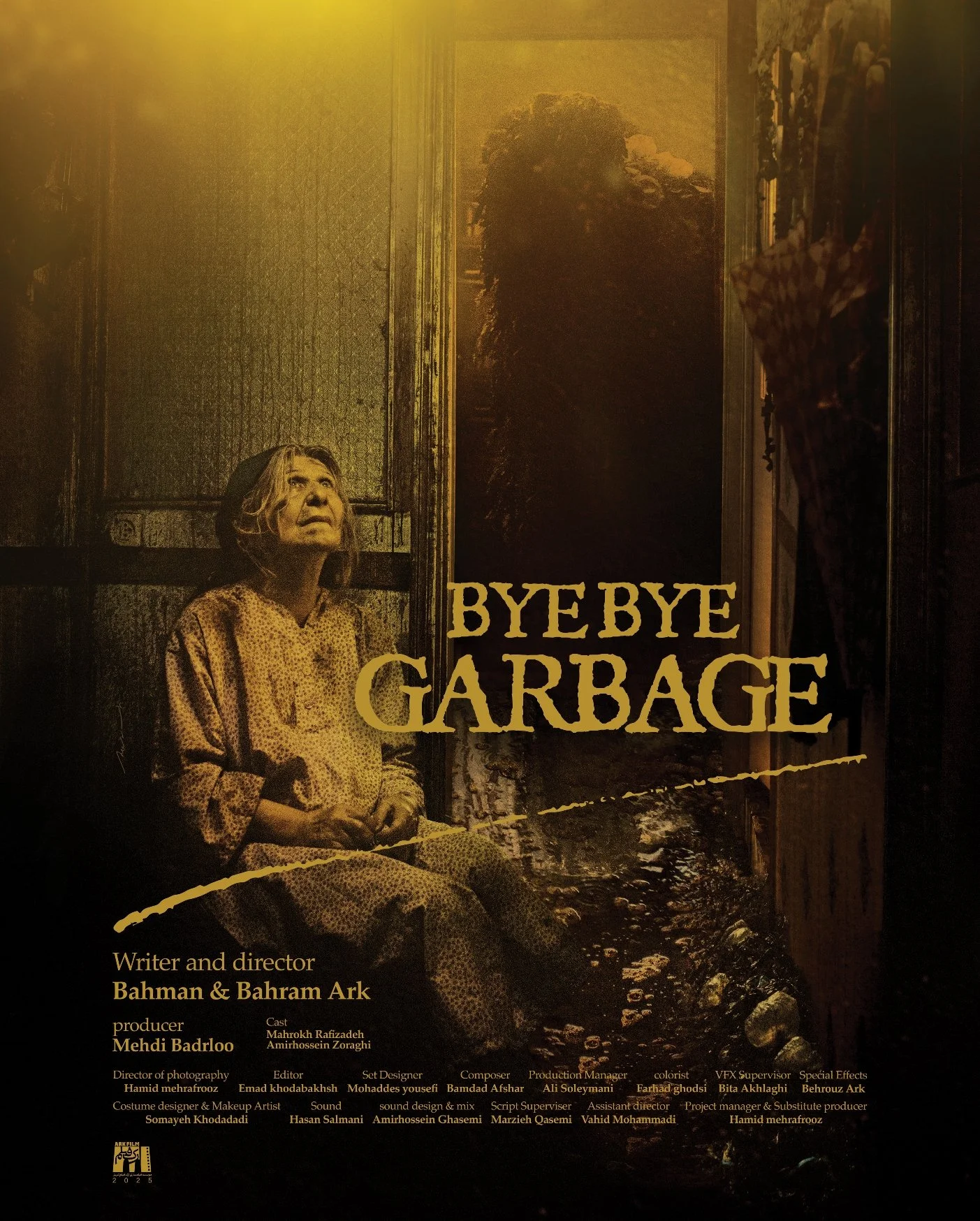
In the new short film by the Ark Brothers, Bye Bye Garbage, also an object – in fact a pile of garbage – takes on one of the central roles. The treatment of this pile of garbage as a character recalls the faceless figure in Hayao Miyazaki’s Spirited Away. The movie works effectively until it’s final third, successfully drawing on elements of horror and fantasy cinema to portray the loneliness of an elderly woman who feels abandoned by her children. However, in the final third, when the filmmakers decide to explain the movie’s metaphors and provide a definitive ending, much of what the film has achieved earlier is lost.
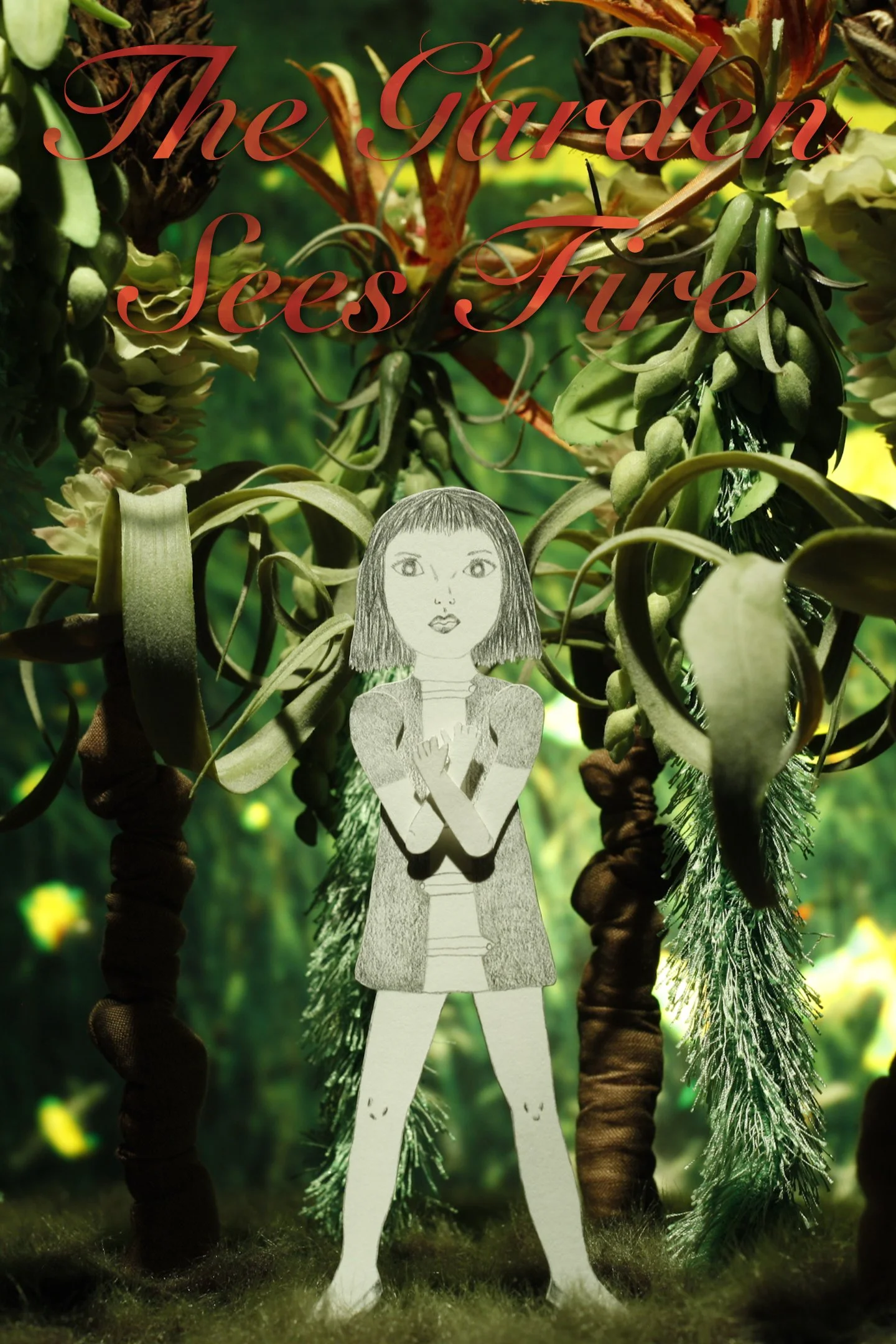
Another movie that explored a similar fantastical realm was Keira Faber’s well-crafted stop motion animation The Garden Sees Fire. The film tells an allegorical story about the threat posed to nature by human forces. In the Faber’s forest, the animals live together in peace, while the real threat looming over the fate of the forest comes from humans. However, beyond its environmental concerns, the film also evokes implicit references to the radical political climate of the recent years around the globe. These layers are skillfully embedded within the narratives, finding their place alongside the movie’s central story.
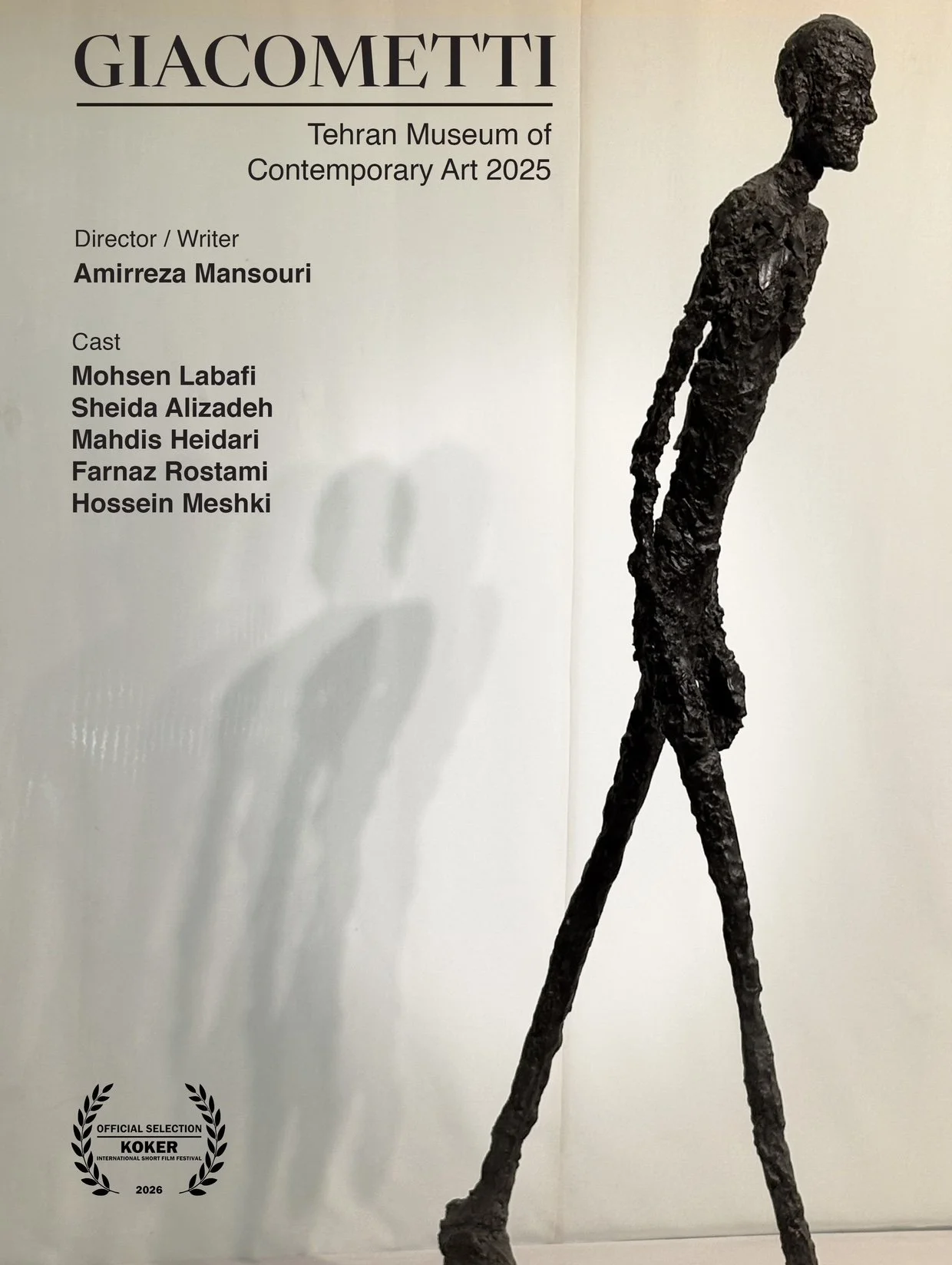
Threat is also the central element of Amirreza Mansouri’s Giacometti, a 19-minute single-take movie shot with a fixed camera far from a Giacometti artwork at the Museum of Contemporary Arts in Tehran. The movie’s central idea closely resembles Abbas Kiarostami’s Look at Me project, in which Kiarostami Photographed visitors viewing artworks at the Louvre Museum over several years. In these photographs, the viewers were always part of the frame captured from behind, disrupting the imaginary line between observer and artwork and transforming the audience into a component of masterpieces - and, in a sense, of art history itself. However, Giacometti is also a narrative about the transformed position of women in contemporary Iran, particularly in the years following the Women, Life, Freedom movement. The filmmaker succeeds in capturing the threatening atmosphere that has characterized Iran in recent years. A reality in which feelings of insecurity and external threats have become deeply present, with mobile phones often serving as one the central elements in the creation of these threatening situations. From this perspective, Giacometti which also received a special mention from the festival jury, manages, to tell a multilayered story rooted in art and art history while simultaneously engaging with the political events of recent years in Iran.
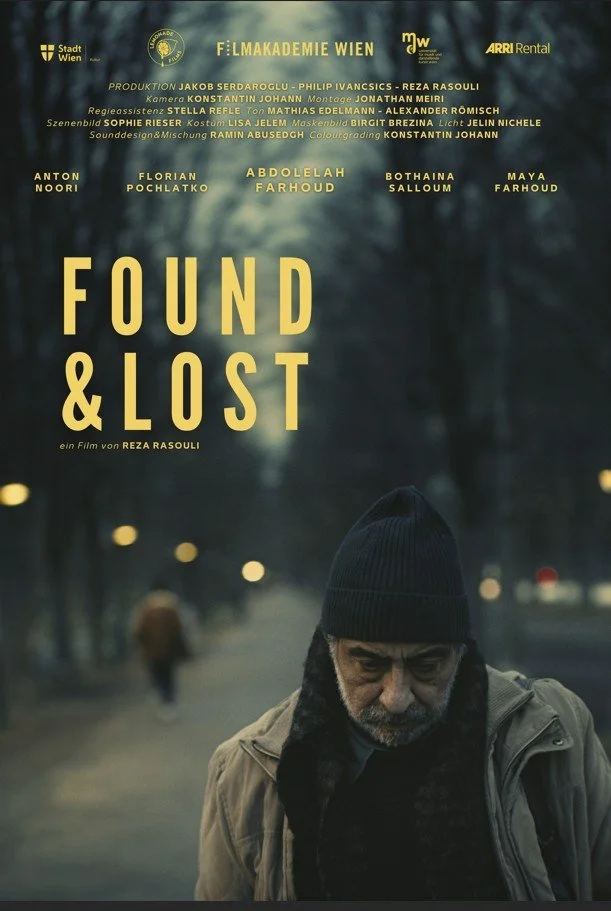
Far from Iran and its political issues, another Iranian filmmaker, Reza Rasouli, has made in Found & Lost, an engaging movie about an elderly immigrant in Austria named Tamim (Abdollah Farhoud), who continues to live according to his own rules and refuses to accept the order of the society he has migrated to. He feels that in this society, adherence to order has replaced efficiency. Furthermore, Tamim lives in a society that constantly attempts to place him within predefined boundaries from which deviation seems impossible. Yet, in order to feel alive, Tamim must cross these boundaries and impose his own rules upon the world around him. The movie unfolds through the tensions and conflicts that emerge between Tamim and the world surrounding him, at times making the viewer laugh and at others bringing tears to their eyes.
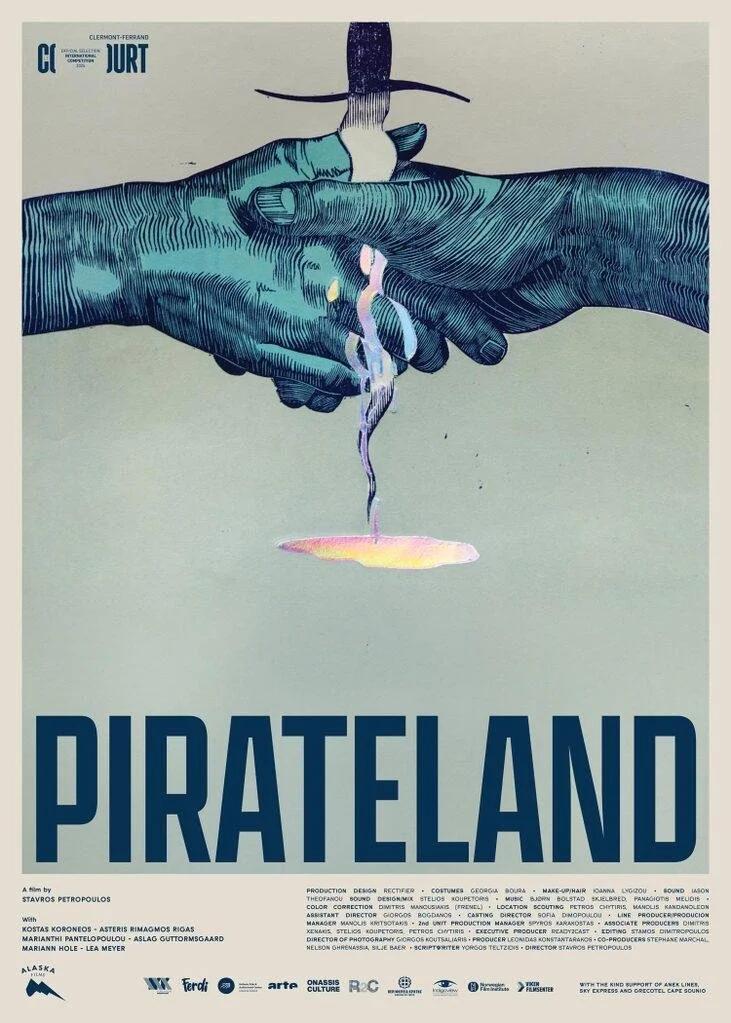
Crossing red lines and breaking away from socially accepted rules is also at the heart of Pirate Land by Stavros Petropoulos, which received another of the festival’s major awards. The movie tells the story of a strange group of tourists—who are in fact a Scandinavian family of three—suddenly appear before the eyes of a hotel owner in Crete and pressure Manos, the hotel owner, and his son to participate in a series of bizarre experiences. At first, the film seems like yet another of the many recent imitations of Lanthimos’s works and Haneke’s Funny Games. However, as it unfolds, it gradually develops a stronger identity of its own, and the screenplay slowly establishes its own rules. As the movie unfolds, Petropoulos shows how fragile the boundary between ethical living and surrendering oneself to humanity’s darkest instincts can be. At the same time, the film explores how living under the shadow of boredom and isolation can make a person vulnerable to committing the most horrific acts. Yet the filmmaker’s greatest strength lies in his awareness of where to stop: he resists the temptation to push the radical potential of the screenplay too far and keeps everything within the limits of the very “game” whose rules he establishes with the viewers from the beginning.
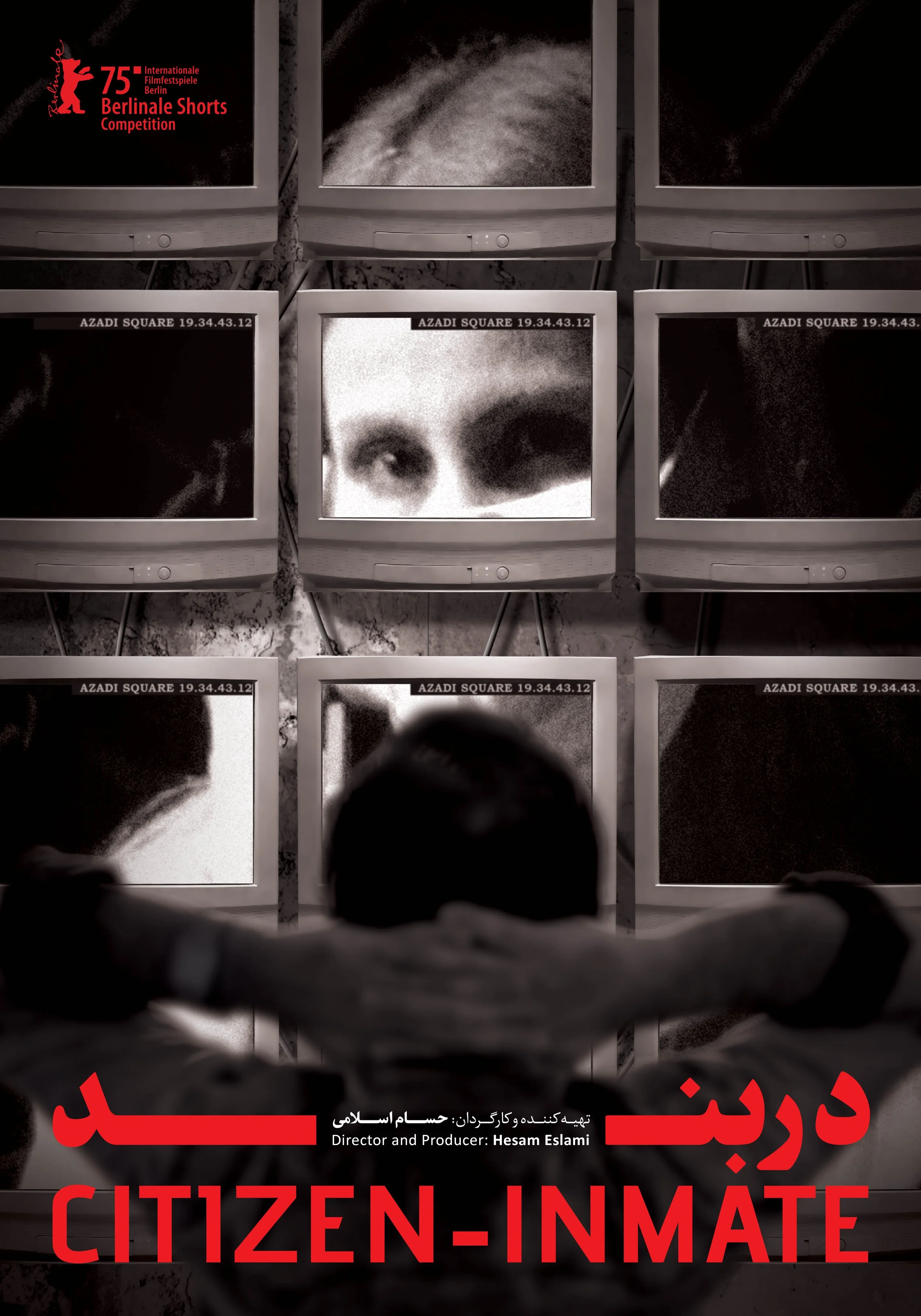
In the final day of the Koker International Short Film Festival two Iranian movies were shown with similar themes but different approaches. In Citizen Inmate Hesam Eslami explores the sensitive issue of electronically monitoring prisoners, most of whom are political detainees, through ankle bracelets. He succeeds in critically examining the terrifying Leviathan of state control in a meticulously crafted movie. The main character of the movie seems to be the ominous electronic monitoring center itself, a structure that gradually transforms into a terrifying monster. The film effectively shows how technology, which is supposed to serve human welfare, can become a means of human subjection. Eslami also demonstrates how repression can take a civilized and modern appearance. Yet the filmmaker’s greatest achievement lies in the fact that his camera observes both sides of the conflict: the frustration, despair, and helplessness of those under surveillance, as well as exhaustion and boredom of the terrifying Leviathan and its agents.
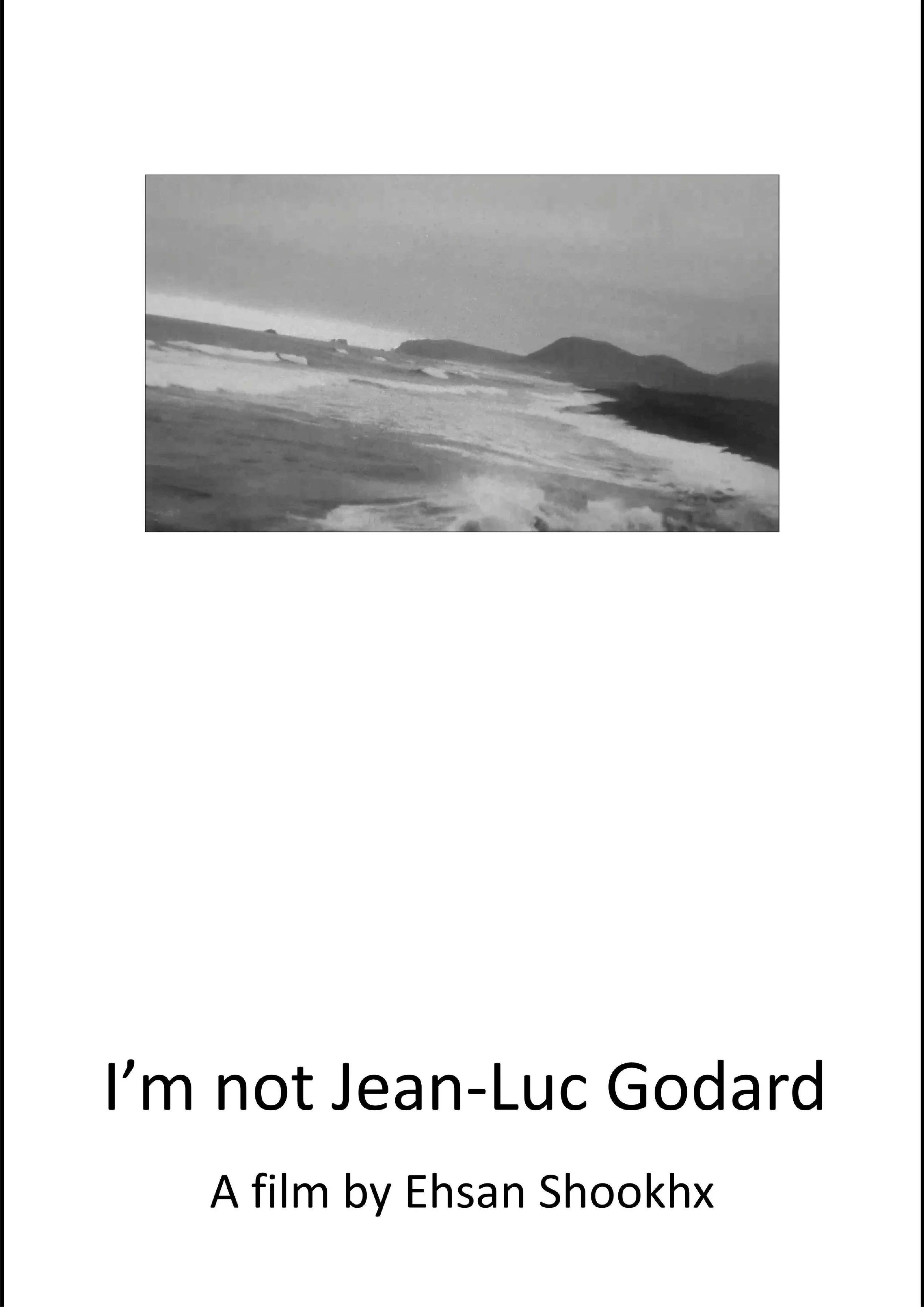
And yet, the festival’s final note was Ehsan Bamshad’s modest and captivating movie I Am Not Jean-Luc Godard, undoubtedly one of the most significant short movies to have engaged with the recent political unrests in Iran. Shot entirely on a mobile phone, the film takes place in the filmmaker’s own room, where he has neither the financial means to make a film nor the resources to move the production beyond the confines of his personal space. Nevertheless, through a creative use of archival footage from the Women, Life, Freedom protests, Bamshad transforms the people who took to the streets, risking everything to voice their dissent, into the actors of his film. He turns the turbulent streets of Iran in recent years into the location of his short film, playing with the boundary between cinematic reality and the reality unfolding in the streets. From the very beginning, the film engages with the notion of committed art, questioning both the legitimacy of such art and, from a philosophical perspective, the meaning and effectiveness of acts of protest and revolution; without offering any straightforward answers. The movie also explores the moral dilemma faced by many Iranian citizens who, whenever a new wave of protests has emerged in recent years, have found themselves torn between staying at home and taking to the streets. The filmmaker himself remains paralyzed by this hesitation. Love is the reason for his inaction, but for others, perhaps love has not been the only reason.
As I leave the cinema, the black-and-white, trembling images of the movie stay with me, as if I have once again revisited these turbulent years in a twenty-minute trance. By now, the summer rain has passed, and, as Forough Farrokhzad once wrote, the wind is blowing through the alleyways. I think of the short video shown at the end of the festival, in which Kiarostami says that if he had to choose between himself and his work, he would prefer himself to remain! But, dear Mr. Kiarostami, the wind does not listen to our wishes; it will follow its own course and eventually the wind will carry us all away!
Films shown at the 3rd Koker international film festival
Agapito
Arvin Belarmino and Kyla Romero, 2025, Philippines/France, 15 Min.
Ali
Adnan Al Rajeev, 2025, Bangladesh/Philippines, 15 Min.
Beneath Which Rivers Flow
Ali Yahya, 2025, Iraq, 16 Min.
Bye Bye Garbage
Bahram Ark/Bahman Ark, 2025, Iran, 24 Min.
Critical Condition
Mila Zhlutenko, 2025, Germany, 24 Min.
Dar band/Citizen-Inmate
Hesam Eslami, 2025, Iran. 15 Min.
Dream now Revolution Tomorrow
Francesco Manzato, 2024, Italy/Switzerland, 9 Min.
Found&Lost
Reza Rasouli, 2025, Austria, 17 Min.
Final Scene
Diego Kompel, 2025, Argentina, 20 Min.
Giacometti
Amireza Mansouri, 2025, iran, 19 Min.
Grandma Nai Who Played Favourites
Chheangkea, 2025, Cambodia/France/USA, 19 Min.
I’m not Jean-Luc Godard
Ehsan Bamshad, 2025, Iran, 16 Min.
L’mina
Randa Maroufi, 2025, France/Morocco/Qatar, 26 Min.
Maybe in March
Mikkel Bjørn Kehlert, 2025, Denmark, 25 Min.
No Contest
Olivier Wright, 2025, France, 18 Min.
No One Knows I Disappeared
Hanxiong Bo, 2025, China, 16 Min.
Pirateland
Stavros Petropoulos, 2025, Greece/France/Norway, 28 Min.
Renato’s Car
Andrea Orsenigo, 2025, Italy, 18 Min.
The Flower by the Road
Giorgi Parkosadze, 2024, Georgia/Hungary/Portugal/Belgium, 15 Min.
The Garden Sees Fire
Kiera Faber, 2024, USA, 15 Min.
Upon Sunrise
Stefan Ivančić, 2025, Serbia/Spain/Slovenia/Croatia, 15 Min.